Why Snowpack Is the West’s Most Important Reservoir
When people think about water storage in the American West, they usually picture massive dams and concrete reservoirs—Lake Powell, Lake Mead, or Flaming Gorge. But the most important reservoir in the Intermountain West isn’t built by engineers at all.
It falls quietly from the sky.
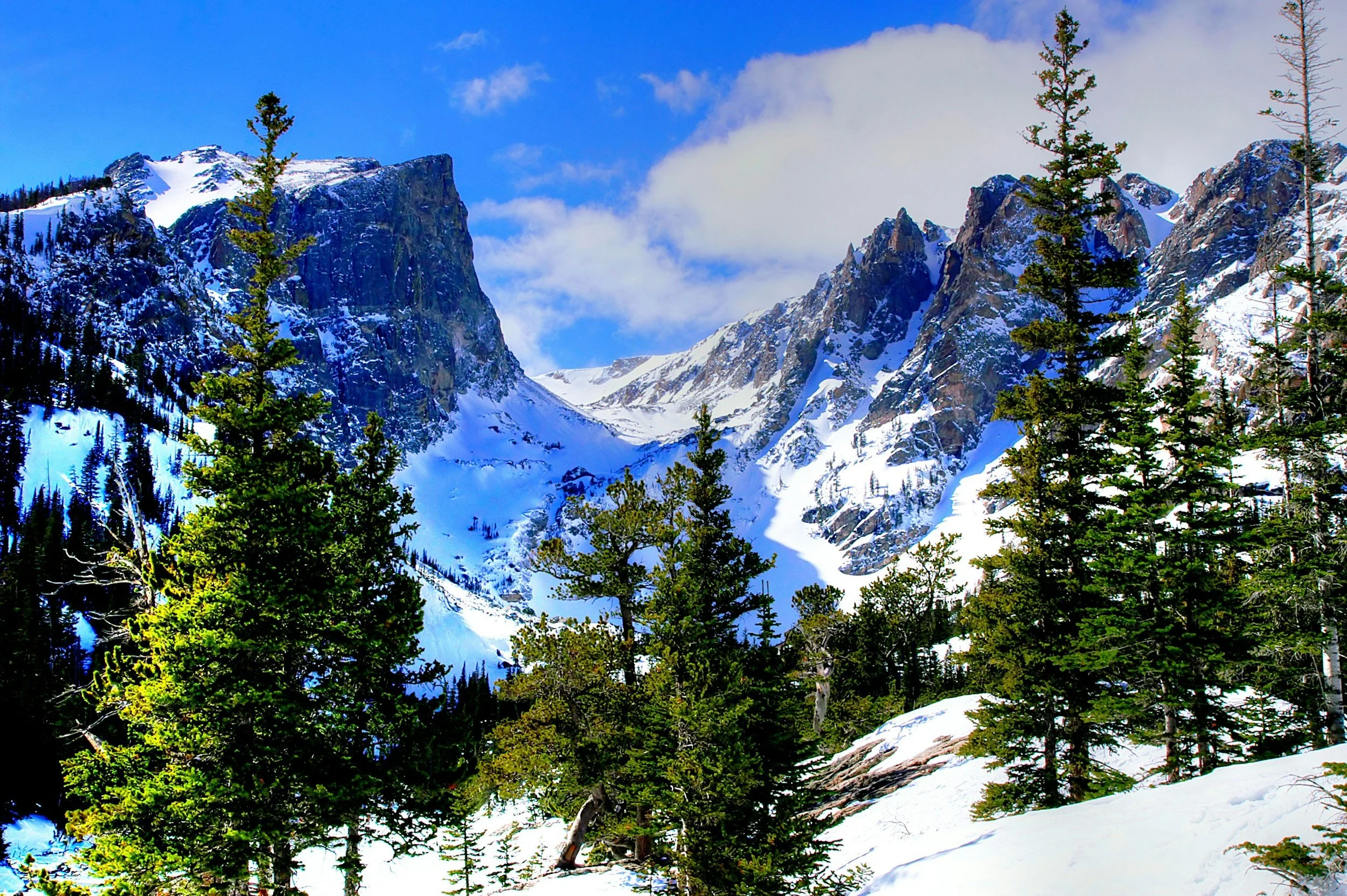
Snowpack—the accumulation of winter snow in mountain ranges like the Rockies, Wasatch, Sierra Nevada, and Cascades—is the largest, most reliable water storage system in the West. And unlike a reservoir behind a dam, snowpack does something artificial systems struggle to do: it releases water slowly, naturally, and at exactly the time ecosystems and people need it most.
Snowpack as a Natural Reservoir
Snow doesn’t just sit on the ground waiting for spring. It acts like a time-release water system.
During winter, snowpack stores precipitation that would otherwise rush downstream as rain. As temperatures rise in spring and early summer, that stored water melts gradually, feeding streams, rivers, wetlands, and aquifers over months rather than days.
This slow release is critical. It:
Maintains river flows through dry summers
Keeps water temperatures cool for fish and aquatic life
Recharges groundwater
Supplies municipal and agricultural water long after storms have passed
In many mountain watersheds, 50–80% of annual water supply comes from snowmelt. No dam in the West matches that scale.
Why Snowpack Works Better Than Concrete
Manmade reservoirs are powerful tools, but they have limitations. They lose water to evaporation, require constant management, and can only store what flows into them. Snowpack, on the other hand, stores water before it ever enters the river system.
Because snow melts slowly at high elevations:
Less water is lost to evaporation
Runoff timing aligns with peak demand in summer
Flood risk is reduced compared to rain-on-snow events
In effect, snowpack spreads water storage across entire mountain ranges, turning thousands of square miles into a decentralized reservoir system.
The Ecosystem Connection
Healthy snowpack doesn’t just benefit people—it sustains ecosystems.
Cold, steady snowmelt keeps rivers suitable for trout and other native fish. It nourishes riparian corridors that support birds, mammals, and pollinators. Wet meadows and alpine wetlands depend on late-season melt to survive dry summers.
When snowpack is reduced or melts too early, these systems unravel:
Streams warm sooner, stressing fish
Spring floods spike, followed by low late-summer flows
Vegetation dries earlier, increasing wildfire risk
Snowpack loss isn’t just a water shortage—it’s an ecological disruption.
What Happens When Snowpack Declines
Across the Intermountain West, warming winters are shrinking snowpack and shifting melt earlier in the year. More precipitation falls as rain instead of snow, and what snow does accumulate melts weeks earlier than it once did.
This creates a dangerous mismatch:
Water arrives before it’s needed
Reservoirs struggle to capture early runoff
Summers become hotter, drier, and more volatile
Communities face tighter water restrictions. Farmers lose irrigation reliability. Rivers run low when demand is highest. Ecosystems adapted to centuries of snow-driven timing are forced to adjust—often unsuccessfully.
Why This Matters Now
Snowpack has always been variable, but the trend is clear: the West is becoming a place where water is less predictable.
Understanding snowpack as the West’s most important reservoir reframes the conversation. This isn’t just about winter recreation or seasonal inconvenience. It’s about the foundation of life, economy, and ecology across the region.
Protecting snowpack—through climate mitigation, smarter land use, and better water management—isn’t optional. It’s essential.
Because in the Intermountain West, the future of water doesn’t begin at a dam.
It begins with a snowflake.